Sorry, Not Sorry
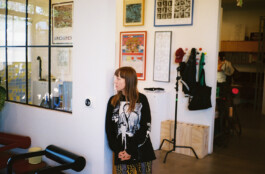
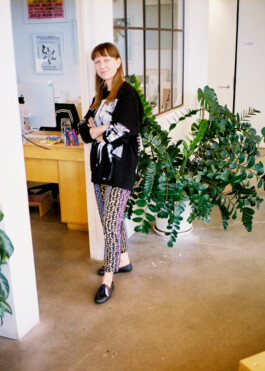
Eva Michon is Polish by foundation, Canadian by manner, and LA by choice. A director who’s moved fluidly between music videos, magazine editing, and documentary – often through Ways & Means, always on her own terms. The work is precise. The instincts are sharp. And she really wants to make a Kendrick video.
Private Lives © Eva Michon
You’ve got Polish-Canadian roots and ended up in LA. How does that heritage show up in the work, if at all – or does it live somewhere else in your life?
Being Polish is my foundation like a subconscious program always running, and you can tell I’m Canadian by how polite I am and how many times I say sorry. Living in LA is a very culturally diverse experience, so it’s very seamless to be here. I haven’t found good Polish food in LA though!
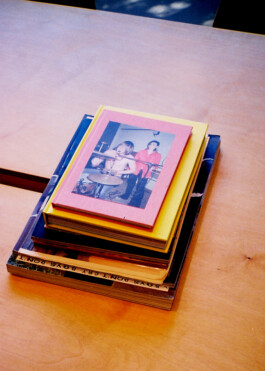
You were part of Bad Day magazine – what did that time give you creatively that filmmaking couldn’t?
The word “completion” comes to mind. Finishing an issue on schedule whether it feels ready or not. I loved the community of artists and publishers that I wouldn’t have crossed paths with in my filmmaking life. But as a magazine editor my point of view was reflected through the choice of collaborators and features, and when it ended, I was ready to focus on my own ideas and emotions through my work.
Zabawa © Eva Michon
“My whole life experience until that moment in time.”
You’ve produced many projects with Ways & Means. What does that relationship give you?
We met around 2014 and just clicked creatively and taste-wise. They are part of my creative family, and when we get to make something together, it’s always fun and precisely executed.
Ways & Means has grown from a scrappy music video house into a studio working with Apple and Nike. How do they hold onto the spirit of the early work as the scale changes?
Jett Steiger, co-founder of Ways & Means:
I would say the key elements for success with a scrappy music video are fundamentally the same things that make a great Apple or Nike spot. You need a great team. You need to trust your taste and creative intuition. You need to lean into collaboration and be willing to follow a good idea wherever it leads.
Your music video work is full of raw energy – Death From Above 1979, Head Wound City, Deap Vally. Is there something about that world that a commercial brief can’t give you?
Sometimes I’m lucky and a commercial agency comes to me for that energy. With my music videos, I’m interested in how to elevate the song and bring the feelings into a visual medium. Growing up on 90s music videos, I would never have cared for most of the songs if the videos hadn’t been so good. It’s essentially advertising, which is all about elevating a product – so one leads into the other.
Virgins © Eva Michon
“I’m open but also protective, because no one can see the vision that I do, and they can’t decide for me.”
When you’re directing, what’s the thing that only you can bring – the decision nobody else would make the same way?
My whole life experience until that moment in time.
What does collaboration look like for you on set – are you protective of your vision or do you want people pushing back?
I want opinions and push-back because they usually amplify my gut. Sometimes I have a blindspot where I’m not sure what my instincts are telling me. When I hear someone else articulate their opinion, it can crystallize my own in opposition. But the questions should start way before shooting – problem solving while shooting is usually a split-second decision. So I’m open but also protective, because no one can see the vision that I do, and they can’t decide for me.

You directed TheWrapBook’s film on the best directors in cinema last year. What did that project open up for you – being that close to that level of work?
I approached the interviews – with Park Chan Wook, Joachim Trier, Jafar Panahi, Mona Fastvold and more – as an investigation for myself. It was a very cool opportunity, so I asked questions that were relevant to me as a filmmaker. Specific silly stuff like, “Do you change your shoes on set?” “Do you sleep before your first day of shooting?” But I also really wanted to know about their dreams, if they dream, if they write down their dreams. Park Chan Wook has action adventure dreams. And he complimented my camera.
TheWrapBook © Eva Michon
“There is a way for me to live as an artist here that I haven’t found in another place.”
You ended up in LA – does the city still feel like a choice, or has it just become home?
I returned to Los Angeles after a pandemic hiatus in Canada. Coming back was very much a choice – there is a way for me to live as an artist here that I haven’t found in another place.
What’s a project you’ve made that still surprises you when you watch it back?
Miya Folick’s “Give It To Me” – where I think I achieved a level of simplicity that I am always striving for.
What’s something you want to make that you haven’t been given the chance to yet?
A music video for Kendrick Lamar.
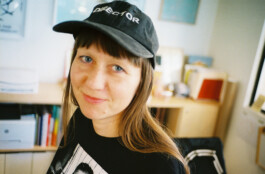
Five favorite hats from the collection – and what’s the story behind each one?
Zyg Zag: homemade hat for my DIY publishing imprint.
Director: my friend Heather gave it to me for my birthday – I haven’t worn it on set but I should.
Running Late: my husband gave it to me for Christmas, no comment.
Paloma Wool: I got this hat before I knew the brand but I sensed it was cool – now I’m a fan and really want to make films for Paloma Lanna.
Nature Vs. Nurture: thrifted. I like the song “Where have all the flowers gone?” and find this hat very random.
Sorry, Not Sorry
Eva Michon is Polish by foundation, Canadian by manner, and LA by choice. A director who’s moved fluidly between music videos, magazine editing, and documentary – often through Ways & Means, always on her own terms. The work is precise. The instincts are sharp. And she really wants to make a Kendrick video.
Private Lives © Eva Michon
You’ve got Polish-Canadian roots and ended up in LA. How does that heritage show up in the work, if at all – or does it live somewhere else in your life?
Being Polish is my foundation like a subconscious program always running, and you can tell I’m Canadian by how polite I am and how many times I say sorry. Living in LA is a very culturally diverse experience, so it’s very seamless to be here. I haven’t found good Polish food in LA though!
You were part of Bad Day magazine – what did that time give you creatively that filmmaking couldn’t?
The word “completion” comes to mind. Finishing an issue on schedule whether it feels ready or not. I loved the community of artists and publishers that I wouldn’t have crossed paths with in my filmmaking life. But as a magazine editor my point of view was reflected through the choice of collaborators and features, and when it ended, I was ready to focus on my own ideas and emotions through my work.
Zabawa © Eva Michon
“My whole life experience until that moment in time.”
You’ve produced many projects with Ways & Means. What does that relationship give you?
We met around 2014 and just clicked creatively and taste-wise. They are part of my creative family, and when we get to make something together, it’s always fun and precisely executed.
Ways & Means has grown from a scrappy music video house into a studio working with Apple and Nike. How do they hold onto the spirit of the early work as the scale changes?
Jett Steiger, co-founder of Ways & Means:
I would say the key elements for success with a scrappy music video are fundamentally the same things that make a great Apple or Nike spot. You need a great team. You need to trust your taste and creative intuition. You need to lean into collaboration and be willing to follow a good idea wherever it leads.
Your music video work is full of raw energy – Death From Above 1979, Head Wound City, Deap Vally. Is there something about that world that a commercial brief can’t give you?
Sometimes I’m lucky and a commercial agency comes to me for that energy. With my music videos, I’m interested in how to elevate the song and bring the feelings into a visual medium. Growing up on 90s music videos, I would never have cared for most of the songs if the videos hadn’t been so good. It’s essentially advertising, which is all about elevating a product – so one leads into the other.
Virgins © Eva Michon
“I’m open but also protective, because no one can see the vision that I do, and they can’t decide for me.”
When you’re directing, what’s the thing that only you can bring – the decision nobody else would make the same way?
My whole life experience until that moment in time.
What does collaboration look like for you on set – are you protective of your vision or do you want people pushing back?
I want opinions and push-back because they usually amplify my gut. Sometimes I have a blindspot where I’m not sure what my instincts are telling me. When I hear someone else articulate their opinion, it can crystallize my own in opposition. But the questions should start way before shooting – problem solving while shooting is usually a split-second decision. So I’m open but also protective, because no one can see the vision that I do, and they can’t decide for me.
You directed TheWrapBook’s film on the best directors in cinema last year. What did that project open up for you – being that close to that level of work?
I approached the interviews – with Park Chan Wook, Joachim Trier, Jafar Panahi, Mona Fastvold and more – as an investigation for myself. It was a very cool opportunity, so I asked questions that were relevant to me as a filmmaker. Specific silly stuff like, “Do you change your shoes on set?” “Do you sleep before your first day of shooting?” But I also really wanted to know about their dreams, if they dream, if they write down their dreams. Park Chan Wook has action adventure dreams. And he complimented my camera.
TheWrapBook © Eva Michon
“There is a way for me to live as an artist here that I haven’t found in another place.”
You ended up in LA – does the city still feel like a choice, or has it just become home?
I returned to Los Angeles after a pandemic hiatus in Canada. Coming back was very much a choice – there is a way for me to live as an artist here that I haven’t found in another place.
What’s a project you’ve made that still surprises you when you watch it back?
Miya Folick’s “Give It To Me” – where I think I achieved a level of simplicity that I am always striving for.
What’s something you want to make that you haven’t been given the chance to yet?
A music video for Kendrick Lamar.
Five favorite hats from the collection – and what’s the story behind each one?
Zyg Zag: homemade hat for my DIY publishing imprint.
Director: my friend Heather gave it to me for my birthday – I haven’t worn it on set but I should.
Running Late: my husband gave it to me for Christmas, no comment.
Paloma Wool: I got this hat before I knew the brand but I sensed it was cool – now I’m a fan and really want to make films for Paloma Lanna.
Nature Vs. Nurture: thrifted. I like the song “Where have all the flowers gone?” and find this hat very random.